
Home renovation planning in the Cayman Islands: a step-by-step guide
Home renovation planning in the Cayman Islands: a step-by-step guide
4/7/20265 min read
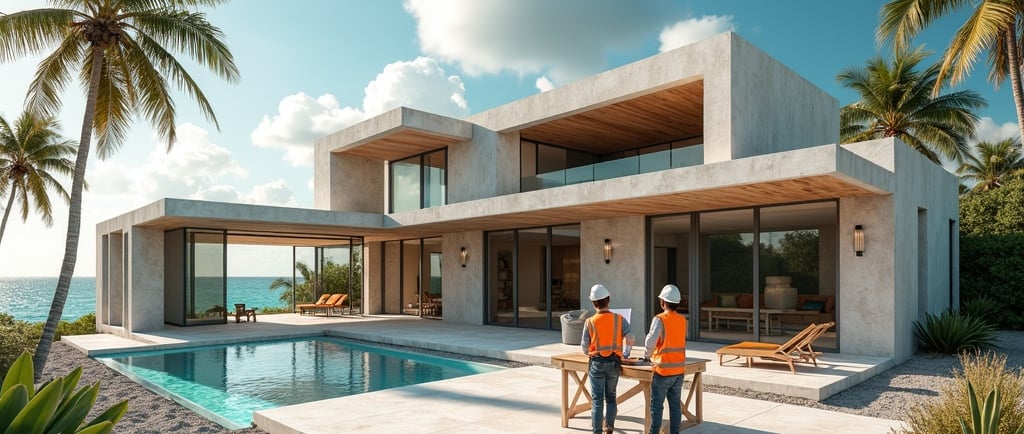
How to Plan a Home Renovation in the Cayman Islands: A Step-by-Step Guide
Renovating a home in the Cayman Islands is one of the most rewarding investments a property owner can make — but it is also one of the most complex. Between navigating local building regulations, sourcing materials in a small island economy, and managing contractors across multiple trades, even a straightforward renovation can quickly spiral into delays and cost overruns if not properly planned from the outset.
Many homeowners underestimate the importance of structured planning before a single wall is opened or a tile is laid. The result is often a project that exceeds budget, misses deadlines, and delivers results that fall short of the original vision. In a market like the Cayman Islands, where construction costs are inherently higher due to importation, logistics, and skilled labour availability, the financial consequences of poor planning are magnified significantly.
The good news is that with the right approach, a well-planned renovation is entirely achievable. This guide walks you through the essential steps to plan your home renovation successfully — from setting a realistic budget to selecting the right construction partner — so that your project runs smoothly from start to finish.
What Is Home Renovation Planning and Why Does It Matter in the Cayman Islands?
Home renovation planning is the structured process of defining the scope, budget, timeline, and resources required to successfully transform or improve a residential property before construction work begins. It encompasses everything from initial design concepts and permitting requirements to contractor selection and materials procurement.
In the Cayman Islands, this planning stage carries even greater weight than in many other markets. The island's import-dependent supply chain means that materials must be ordered well in advance, often from the United States, Europe, or Canada. The Cayman Islands Building Authority (CIBA) enforces strict permitting and compliance standards, particularly for hurricane-resistant construction. Failing to account for these local realities during the planning phase routinely leads to project stoppages, unexpected costs, and regulatory complications that are entirely avoidable.
Key Benefits of Thorough Renovation Planning
Cost control: A detailed plan with itemised estimates prevents budget creep and allows you to make informed decisions before committing funds.
Regulatory compliance: Early engagement with permitting requirements ensures your renovation meets CIBA standards and avoids costly rework or stop-work orders.
Accurate timelines: Accounting for material lead times and contractor scheduling in advance dramatically reduces delays on-site.
Design clarity: Resolving design decisions before construction begins avoids expensive changes mid-project.
Better contractor relationships: A well-scoped project brief attracts more accurate quotes and sets clear expectations with your construction team.
Higher property value: Planned renovations with quality finishes consistently deliver stronger returns on investment in the Cayman Islands real estate market.
Best Practices and Standards for Planning Your Home Renovation
Define your goals and priorities first. Before discussing budgets or designs, clearly articulate what you want to achieve — whether it is expanding living space, improving energy efficiency, upgrading aesthetics, or increasing rental value.
Set a realistic budget with a contingency. Establish your total available budget and allocate a minimum 15–20% contingency reserve for unforeseen conditions, especially in older properties where hidden issues are common.
Engage a professional designer or architect early. Detailed architectural drawings are required for most permit applications in the Cayman Islands and are essential for obtaining accurate contractor quotes.
Apply for permits before work begins. Submit your application to the Cayman Islands Building Authority well in advance. Permit processing times vary, and commencing work without approval carries significant penalties.
Plan for material lead times. Identify long-lead items — such as custom cabinetry, imported fixtures, or specialty flooring — and order these early to prevent on-site delays.
Vet and select your contractor carefully. Request references, verify licensing, review previous work, and ensure your chosen contractor carries adequate insurance and is familiar with local building codes.
Establish a written contract. A formal contract should detail scope of work, payment schedules, timelines, materials specifications, and dispute resolution processes.
Plan for living arrangements during construction. For major renovations, consider whether you will need temporary accommodation and factor this into your overall budget.
Common Mistakes and How to Avoid Them
Underestimating the total cost: Many homeowners budget only for visible finishes and miss structural, electrical, or plumbing upgrades. Always conduct a thorough assessment of existing conditions before finalising your budget.
Starting without permits: Proceeding without the required approvals from the Cayman Islands Building Authority can result in stop-work orders, fines, and mandatory demolition of non-compliant work. Always secure permits first.
Choosing a contractor based on price alone: The lowest quote rarely represents the best value. Evaluate experience, quality of past projects, communication, and reliability alongside pricing.
Neglecting hurricane resistance requirements: The Cayman Islands is in an active hurricane zone. Overlooking wind load requirements, impact-rated windows, or proper roof-to-wall connections in your renovation scope can compromise both safety and insurance eligibility.
Scope creep without budget adjustment: Adding features or changes mid-construction without updating the budget and timeline is a leading cause of project overruns. Any scope changes should go through a formal change order process.
Failing to account for import logistics: Assuming materials will be available locally or within short lead times is a common error. Always confirm availability and shipping timelines before locking in a construction schedule.
Applications and Use Cases in the Cayman Islands
Strategic home renovation planning applies across a wide range of residential scenarios in the Cayman Islands, including:
Luxury villa upgrades in areas such as Seven Mile Beach, South Sound, and Rum Point, where high-end finishes and smart home integration are increasingly expected by buyers and renters.
Investment property renovations aimed at improving rental yields and attracting premium short-term or long-term tenants in a competitive rental market.
Hurricane damage restoration and resilience upgrades, where structured planning ensures compliance with updated building standards and insurance requirements.
Aging-in-place modifications for homeowners seeking to adapt their properties for long-term accessibility and comfort.
Pre-sale renovations designed to maximise property value before listing in the Cayman Islands real estate market.
Strata and condominium unit refurbishments requiring coordination with building management and adherence to community guidelines.
How J&R Construction Approaches Home Renovation Planning
At J&R Construction, we understand that a successful renovation begins long before the first tool is picked up. Our team works closely with homeowners from the earliest stages of their project — helping to define a clear scope, develop realistic budgets, navigate the permitting process with the Cayman Islands Building Authority, and coordinate materials procurement to eliminate preventable delays. With deep roots in the local construction industry, we bring firsthand knowledge of what it takes to deliver high-quality renovation work in an island environment.
Our project management approach ensures that every phase of your renovation is carefully sequenced, communicated transparently, and executed to the highest standards of craftsmanship and regulatory compliance. Whether you are undertaking a focused kitchen remodel, a full interior transformation, or a structural extension, J&R Construction provides the professional oversight and skilled trades expertise to bring your vision to life — on time, within budget, and built to last.
Conclusion: Start Your Renovation the Right Way
A well-planned home renovation is not just a construction project — it is a strategic investment in your property, your lifestyle, and your future. In the Cayman Islands, where building conditions, regulatory requirements, and supply chain dynamics create unique challenges, the value of structured planning and experienced professional guidance cannot be overstated.
Whether you are in the early stages of considering a renovation or ready to move forward with a defined project, the team at J&R Construction is here to help. Contact J&R Construction today to schedule a consultation and take the first step toward a renovation that is expertly planned, professionally executed, and built to the highest standards the Cayman Islands has to offer.
Contact
Reach out for your next project today
Call
+1-345-9260575
© 2025. All rights reserved.