
Home construction costs in the Cayman Islands: a complete guide
Home construction costs in the Cayman Islands: a complete guide
6/4/20265 min read
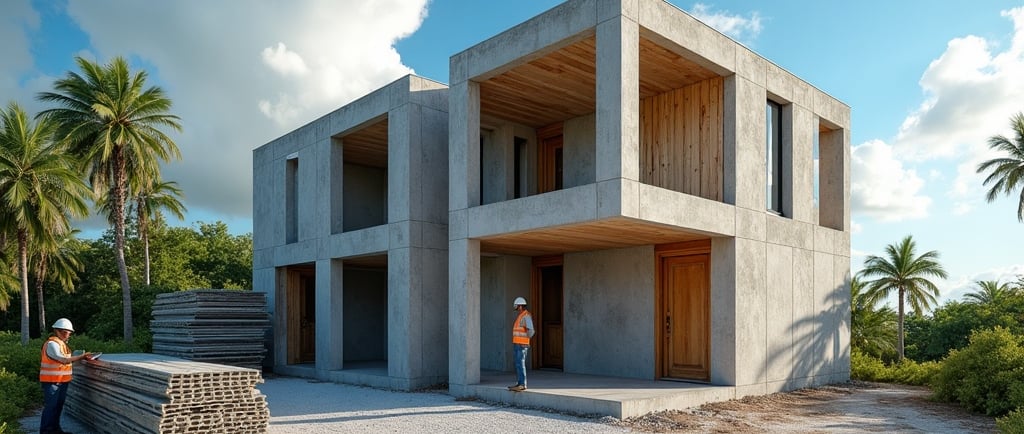
How Much Does It Cost to Build a Home in the Cayman Islands? A Complete Guide for Property Owners
Building a home in the Cayman Islands is one of the most significant financial decisions a property owner or investor can make. Whether you are planning a private residence in Grand Cayman or a luxury villa on one of the Sister Islands, understanding the true cost of construction is essential before breaking ground. Without accurate cost estimates, projects risk budget overruns, delays, and costly surprises that can derail even the most well-planned developments.
The Cayman Islands presents a unique construction environment shaped by its Caribbean climate, strict building codes, import-dependent supply chains, and a high standard of living that influences both material quality and labour costs. These factors combine to create a cost landscape that differs significantly from construction markets in North America, Europe, or even neighbouring Caribbean territories. Many property owners enter the process underestimating total expenditure, only to face financial pressure mid-project.
This guide provides a clear, accurate breakdown of residential construction costs in the Cayman Islands, covering everything from site preparation to finishes, along with professional best practices, common pitfalls to avoid, and how partnering with an experienced local contractor makes all the difference.
What Does It Cost to Build a Home in the Cayman Islands and Why Does It Matter?
Construction costs in the Cayman Islands typically range from CI$200 to CI$400 per square foot for standard residential builds, with luxury or custom homes often exceeding CI$500 per square foot depending on specifications, location, and finishes. To put that into perspective, a 3,000 square foot home could cost anywhere between CI$600,000 and CI$1.5 million or more before factoring in land, landscaping, and professional fees.
Understanding these costs matters because the Cayman Islands has no property tax, making well-constructed real estate a strong long-term investment. However, the absence of a local manufacturing industry means virtually all construction materials must be imported, adding freight costs, import duties, and extended lead times to every project. Labour costs also reflect the high cost of living on the island, with skilled tradespeople commanding premium rates.
Local building codes enforced by the Cayman Islands Planning Department require hurricane-resistant construction standards, which directly influence material selection, structural engineering requirements, and overall project costs. These are non-negotiable and represent responsible, durable building practice for a territory exposed to Atlantic hurricane activity.
Key Benefits of Understanding Construction Costs Upfront
Accurate Budget Planning: Knowing realistic cost ranges prevents underfunding, which is the leading cause of incomplete or compromised construction projects.
Informed Design Decisions: Understanding how choices in materials, size, and finishes affect overall cost allows owners to prioritise what matters most to them.
Stronger Financing Position: Banks and lenders require credible cost estimates; accurate projections improve loan applications and approval outcomes.
Risk Mitigation: A well-costed project identifies contingency requirements early, protecting against unforeseen expenses such as ground conditions or material price fluctuations.
Better Contractor Selection: When owners understand cost benchmarks, they are better equipped to evaluate contractor quotes and identify bids that are unrealistically low or inflated.
Timeline Management: Cost awareness is closely linked to scheduling; knowing procurement timelines for imported materials helps avoid costly construction delays.
Best Practices and Standards for Residential Construction in the Cayman Islands
Commission a professional quantity survey early. Before finalising designs, engage a qualified quantity surveyor to produce a detailed cost estimate based on your architectural drawings and specifications.
Build a contingency fund of at least 10–15%. Island construction is inherently subject to variables including shipping delays, material price changes, and unforeseen site conditions. A contingency reserve is not optional.
Prioritise hurricane-resistant construction methods. Use reinforced concrete block, impact-resistant windows and doors, and engineered roof systems that meet or exceed Cayman Islands Planning Department requirements.
Source materials strategically. Work with your contractor to identify long-lead items early, order in advance, and consolidate shipping where possible to reduce freight costs.
Engage a licensed, local contractor. Working with a contractor experienced in Cayman Islands regulations, import logistics, and local labour ensures smoother project delivery and compliance.
Obtain all necessary planning permissions before starting. Unauthorised construction can result in stop-work orders, demolition requirements, and significant financial penalties.
Factor in all professional fees. Architect, structural engineer, quantity surveyor, and project management fees typically add 10–15% to construction costs and must be included in total project budgets.
Common Mistakes and How to Avoid Them
Underestimating import and duty costs: Many owners budget for material prices at source but overlook freight, insurance, and import duties, which can add 20–30% to material costs. Always include landed costs in your budget calculations.
Choosing the lowest tender without due diligence: A significantly lower quote often signals missing scope, underqualified trades, or poor materials. Always compare quotes on an equal specification basis and verify contractor credentials.
Skipping the design development phase: Rushing from concept to construction without fully developed drawings leads to change orders, which are among the most expensive components of any project. Invest in thorough design before building begins.
Neglecting site investigation: Rock formations, poor soil conditions, and proximity to the water table are common in the Cayman Islands and can substantially affect foundation costs. A geotechnical survey before design finalisation is strongly recommended.
Ignoring utility connections and infrastructure costs: Connection to water, electricity, and sewage systems can represent significant additional costs, particularly on rural or undeveloped plots. These must be included in the project budget.
Failing to plan for construction waste disposal: Waste disposal costs are regulated in Cayman and must be budgeted, not overlooked as a minor project detail.
Applications and Use Cases Across the Cayman Islands
Construction cost considerations apply across a wide range of residential and investment scenarios throughout the Cayman Islands:
Primary Residences in Grand Cayman: Homeowners building in established areas such as Savannah, Bodden Town, or East End must account for site access, proximity to utilities, and community planning restrictions.
Luxury Beachfront Villas: Waterfront properties on Seven Mile Beach or South Sound command premium build costs due to elevated construction standards, premium finishes, and stricter environmental considerations.
Investment and Rental Properties: Investors developing properties for the rental market must balance build cost against projected rental income, making accurate cost modelling essential for return on investment analysis.
Sister Islands Development on Cayman Brac and Little Cayman: Construction on the Sister Islands carries additional logistics costs due to inter-island shipping, and local contractor availability must be carefully managed.
Custom and Architect-Designed Homes: High-specification custom builds with bespoke finishes, smart home technology, or pool and landscaping features require detailed cost planning at every design stage.
How J&R Construction Approaches Residential Construction Costs
At J&R Construction, we believe that transparent, accurate cost planning is the foundation of every successful project. From the earliest design conversations, our team works closely with clients to develop realistic budgets that reflect the true costs of building in the Cayman Islands, including materials, labour, imports, professional fees, and contingencies. We draw on deep local knowledge, established supplier relationships, and years of hands-on experience navigating the specific logistics and regulatory requirements of construction in the Cayman Islands.
Our approach combines rigorous project management with open communication at every stage, ensuring clients always know where their budget stands and can make informed decisions when priorities need to be adjusted. Whether you are building a modest family home or a high-end custom residence, our team is committed to delivering quality construction that meets both your vision and your financial goals, on time and to the highest standards of workmanship.
Conclusion: Start Your Build With Confidence
Building a home in the Cayman Islands is a rewarding investment when approached with the right information, professional guidance, and a trusted construction partner. The costs involved are significant, but with accurate budgeting, sound planning, and experienced execution, your project can deliver lasting value in one of the world's most desirable locations.
Do not leave your construction budget to guesswork. Contact J&R Construction today to speak with our experienced team, receive a professional project assessment, and take the first step toward building your Cayman Islands home with confidence and clarity.
Contact
Reach out for your next project today
Call
+1-345-9260575
© 2025. All rights reserved.