Custom home design process in the Cayman Islands: what to expect
Custom Home Design Process in the Cayman Islands: What to Expect and How to Get It Right
3/24/20265 min read
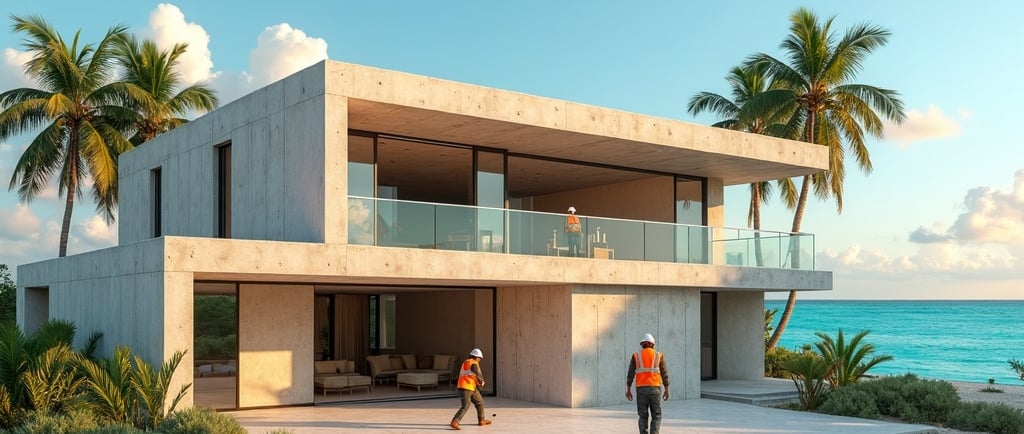
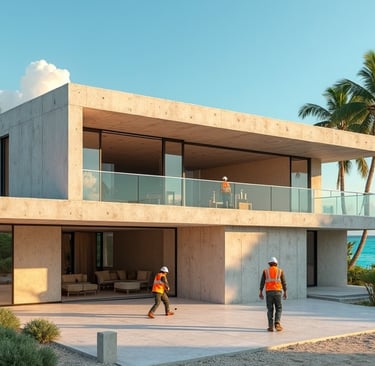
Building a custom home is one of the most significant investments you will ever make. Yet for many property owners and developers in the Cayman Islands, the journey from vision to completed structure feels overwhelming, unclear, or poorly managed. Without a well-defined process, timelines stretch, budgets spiral, and the final result rarely matches the original dream.
The Cayman Islands present a unique construction environment. Stringent building codes, hurricane-resilience requirements, coastal considerations, and a limited pool of vetted tradespeople mean that the custom home design process here demands far more precision and local knowledge than in other markets. Getting it wrong is costly. Getting it right is transformative.
This guide breaks down the custom home design and build process from start to finish, explaining what each phase involves, why it matters in a Cayman Islands context, and how working with an experienced local contractor ensures your project is delivered on time, on budget, and to the highest standard.
What Is the Custom Home Design Process and Why Does It Matter?
The custom home design process is a structured, phased approach to planning, designing, and constructing a home that is tailored entirely to the client's specifications, lifestyle, and site conditions. Unlike purchasing a pre-built or spec home, the custom process gives you full control over layout, materials, finishes, and functionality.
In the Cayman Islands, this process carries additional layers of complexity. Every project must comply with the Cayman Islands Department of Planning regulations, meet Category 5 hurricane resistance standards, and account for specific environmental factors such as ground conditions, flood zones, and proximity to the coast. Local permitting timelines, material importation logistics, and utility connections also affect the overall schedule. Understanding these factors from day one is not optional — it is essential.
A clearly defined process protects your investment, aligns expectations between all stakeholders, and dramatically reduces the risk of costly surprises mid-project.
Key Benefits of Following a Structured Custom Home Design Process
Design Clarity: A phased approach ensures your vision is fully developed and documented before a single foundation is poured, reducing change orders and rework.
Budget Control: Early cost estimation at the design stage allows you to make informed decisions about materials and specifications before commitments are made.
Regulatory Compliance: Working through proper planning and approval channels from the outset avoids costly delays, stop-work orders, or required demolitions.
Hurricane Resilience: A methodical process allows structural engineers and architects to integrate Category 5-rated design elements from the concept stage, not as an afterthought.
Material Lead Time Management: The Cayman Islands relies heavily on imported materials. A structured process accounts for shipping timelines, reducing on-site delays.
Quality Assurance: Defined milestones and inspection points throughout the process ensure workmanship meets both client expectations and local building codes.
Stakeholder Alignment: Regular communication checkpoints keep architects, engineers, contractors, and clients on the same page throughout every phase.
Best Practices and Standards for Custom Home Design in the Cayman Islands
Begin with a professional site assessment. Before any design work begins, conduct a thorough evaluation of the land — including soil testing, flood zone classification, setback requirements, and utility access points.
Engage your contractor at the design stage. Involving a qualified contractor during design rather than after prevents common buildability issues and allows for realistic cost planning from the beginning.
Develop a detailed scope of work and specification document. Every material, fixture, finish, and system should be specified in writing before construction begins to avoid ambiguity and disputes.
Submit for planning approval early. Department of Planning reviews can take several weeks. Build this time into your overall project schedule to avoid costly delays.
Incorporate structural engineering that meets or exceeds local hurricane codes. Design to withstand sustained winds of at least 150 mph, using reinforced concrete construction where appropriate.
Plan for material procurement well in advance. Source critical materials and place orders as soon as specifications are finalised to account for shipping and customs clearance timelines.
Schedule regular site inspections. Milestone-based inspections by both the contractor and an independent inspector help catch issues early and maintain quality standards throughout.
Document everything. Maintain a comprehensive project log including approved drawings, change orders, inspection reports, and contractor communications.
Common Mistakes and How to Avoid Them
Skipping the feasibility phase: Many clients jump straight from land purchase to design without assessing whether the project is viable within budget and planning constraints. Always conduct a pre-design feasibility review first.
Selecting a contractor based on price alone: The lowest bid rarely reflects full project scope. Evaluate contractors based on experience, references, local knowledge, and transparency rather than headline price.
Underestimating import costs and lead times: Materials in the Cayman Islands include import duties and shipping costs that can represent 20–40% of material value. Failing to account for this in the budget creates significant financial pressure mid-build.
Making major design changes during construction: Late design changes are among the most common causes of budget blowouts and schedule overruns. Lock in your design decisions before breaking ground.
Neglecting to plan for temporary accommodation: Construction timelines in the Cayman Islands can extend due to weather, shipping delays, or planning processes. Plan your living arrangements accordingly.
Overlooking landscaping and site works in the budget: Driveways, pools, retaining walls, fencing, and planting are often treated as afterthoughts. They should be integrated into the master plan and budget from the start.
Not obtaining a formal contract: A detailed, legally reviewed construction contract protects both parties. Never proceed with a verbal agreement or a loosely worded letter of intent.
Applications and Use Cases in the Cayman Islands
The custom home design process applies across a wide range of project types in the Cayman Islands, including:
Luxury residential builds on Seven Mile Beach corridor or South Sound, where bespoke finishes, oceanfront design, and high-specification mechanical systems are the standard expectation.
Investor-owned rental villas in established vacation communities, where design must balance aesthetic appeal with durable, low-maintenance construction suited to high occupancy.
Family homes in residential areas such as Savannah, Bodden Town, and West Bay, where practical layouts, energy efficiency, and resilience are priorities.
Expatriate and executive residences requiring contemporary design, smart home integration, and premium finishes aligned with international living standards.
Multi-unit residential developments where the custom process scales across multiple dwellings within a single planned community or condominium project.
How J&R Construction Approaches the Custom Home Design Process
At J&R Construction, we understand that no two custom homes — and no two clients — are the same. Our approach begins long before construction starts. We work closely with clients, architects, and engineers from the earliest planning stages, providing buildability input, preliminary cost guidance, and site-specific recommendations that shape a stronger, more achievable design. This early collaboration is what sets our projects apart and what protects our clients' investment from day one.
Throughout construction, our project management team maintains rigorous oversight of every phase — from foundation work and structural framing to mechanical installations and final finishes. We manage procurement schedules, coordinate with local authorities, and communicate proactively with our clients at every milestone. Our deep knowledge of Cayman Islands building regulations, hurricane construction standards, and local supply chains means fewer surprises and better outcomes. We do not just build homes — we deliver on commitments.
Conclusion: Start Your Custom Home Journey the Right Way
The custom home design process is not simply a sequence of steps — it is a disciplined, collaborative approach that protects your vision, your budget, and your timeline. In the Cayman Islands, where regulatory requirements, environmental conditions, and logistical complexity are amplified, the quality of your process determines the quality of your outcome.
Whether you are planning a luxury beachfront residence, a family home, or an investment property, the right time to engage an experienced construction partner is before the design is finalised, not after. Contact J&R Construction today to discuss your custom home project and take the first step toward building with confidence in the Cayman Islands.
Contact
Reach out for your next project today
Call
+1-345-9260575
© 2025. All rights reserved.