Custom home building process in the Cayman Islands: a complete guide
Custom home building process in the Cayman Islands: a complete guide
4/22/20265 min read
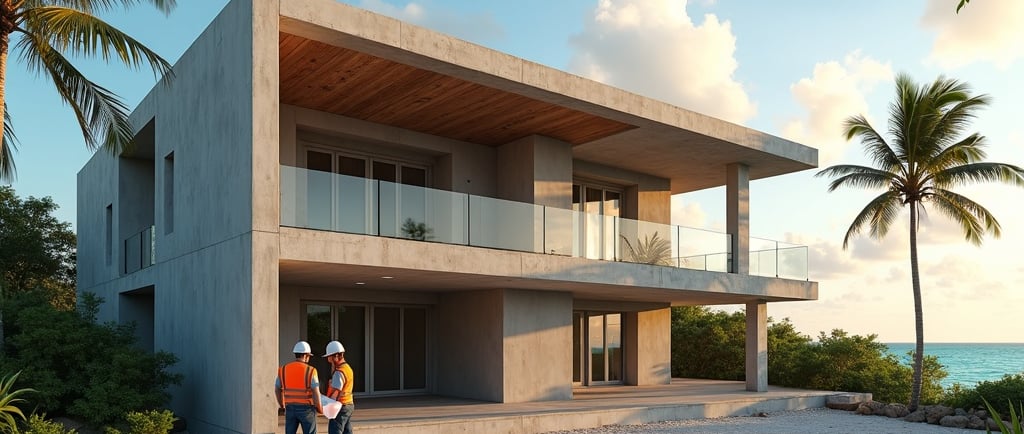
The Custom Home Building Process in the Cayman Islands: A Complete Guide for Property Owners
Building a custom home is one of the most significant investments a person can make — and in the Cayman Islands, where land values are high, regulations are specific, and design expectations are elevated, the stakes are even greater. Many property owners begin the journey with excitement but quickly find themselves overwhelmed by the complexity of the process, unsure of what to expect at each stage or who to trust with their vision.
Without a clear roadmap, custom home projects in the Cayman Islands can fall victim to budget overruns, construction delays, permitting complications, and miscommunication between stakeholders. These challenges are not inevitable — they are the result of poor planning, inexperienced contractors, or a lack of structured project management from the outset.
This guide breaks down the custom home building process step by step, tailored specifically to the Cayman Islands context. Whether you are a first-time homeowner or an experienced property investor, understanding how this process works — and how to navigate it correctly — is essential to protecting your investment and achieving the home you envision.
What Is Custom Home Building and Why Does It Matter in the Cayman Islands?
Custom home building is the process of designing and constructing a residential property from the ground up, tailored entirely to the owner's specifications, lifestyle, and land conditions. Unlike purchasing a pre-built or semi-custom home, a fully custom build gives you complete control over layout, materials, finishes, structural design, and functionality.
In the Cayman Islands, this matters significantly. Local building regulations, including those governed by the Central Planning Authority (CPA), impose specific requirements around setbacks, building heights, hurricane resistance, and environmental impact. The island's tropical climate, coastal exposure, and premium land market mean that every decision — from foundation type to roof specification — carries long-term consequences for durability, insurance, and resale value.
Working with a professional construction company that understands local codes, supplier relationships, and on-island logistics is not optional — it is fundamental to success.
Key Benefits of Custom Home Building
Complete design control: Every element of the home reflects your personal vision, from floor plan and room layout to exterior finishes and interior details.
Optimised functionality: The home is designed around how you actually live — not around a developer's template.
Long-term cost efficiency: Selecting quality materials and energy-efficient systems from the start reduces maintenance and utility costs over time.
Higher resale and rental value: Custom-built homes in the Cayman Islands, when properly designed and constructed, consistently command premium prices in a competitive market.
Hurricane resilience: Building to Cayman Islands standards means incorporating wind-resistant design, reinforced structures, and impact-rated openings — protecting your investment for decades.
Site-specific design: Your home can be designed to take full advantage of views, prevailing breezes, and natural light unique to your plot.
Best Practices and Standards for Custom Home Building
Following a structured approach to the custom home building process is the most reliable way to deliver a project on time, within budget, and to the highest quality standard. The following sequence reflects industry best practices adapted for the Cayman Islands market:
Define your vision and budget clearly: Before engaging any professional, document your must-haves, priorities, and a realistic budget range — including a contingency of at least 10–15% for unexpected costs.
Select your land and conduct a site assessment: Evaluate soil conditions, drainage, utility access, and zoning restrictions. In the Cayman Islands, coastal proximity and environmental overlays can significantly affect what can be built.
Engage an architect and design team: Work with professionals experienced in local planning requirements to produce architectural drawings that reflect your vision while meeting CPA standards.
Secure planning permission and permits: Submit applications to the Central Planning Authority and relevant government bodies. This stage requires accurate documentation and can take several months — plan accordingly.
Select your construction contractor: Choose a licensed, insured, and experienced builder with a verifiable track record of custom residential construction in the Cayman Islands.
Finalise your construction contract: Ensure the contract clearly defines scope, timeline, payment schedule, materials specifications, and dispute resolution procedures.
Construction phase management: Maintain regular communication with your project manager. Conduct site visits at key milestones and document everything in writing.
Inspections and quality control: Schedule independent inspections at critical structural stages — foundation, framing, electrical, plumbing, and final fit-out.
Final handover and defects period: Review the completed home thoroughly before signing off. Establish a clear process for addressing any snags or defects identified post-completion.
Common Mistakes and How to Avoid Them
Underestimating the total project budget: Many homeowners budget only for construction costs, overlooking professional fees, permits, landscaping, furnishings, and utilities connection. Always account for the full project scope from day one.
Starting construction before permits are approved: Building without proper CPA approval in the Cayman Islands can result in stop-work orders, fines, and costly demolition. Never break ground without documented approval in hand.
Choosing a contractor based on price alone: The lowest bid is rarely the best value. Evaluate contractors on experience, references, financial stability, and communication quality — not cost alone.
Making frequent design changes mid-construction: Scope changes during the build phase are one of the leading causes of budget overruns and delays. Invest sufficient time in the design phase to lock in decisions before construction begins.
Neglecting to plan for tropical climate considerations: Failing to specify appropriate materials, ventilation design, and hurricane-rated systems for the Caribbean climate can result in structural damage and high operating costs down the line.
Poor contractor communication: Assuming your builder knows your expectations without documented agreements leads to costly misunderstandings. Communicate in writing and confirm all changes formally.
Applications and Use Cases in the Cayman Islands
The custom home building process is relevant across a broad range of scenarios in the Cayman Islands market:
Primary residences: Caymanian families and long-term residents building a permanent home designed around their lifestyle and family needs.
Luxury vacation properties: High-net-worth investors developing premium second homes or villa estates, often targeting the luxury rental market.
Expatriate housing: Professionals relocating to the Cayman Islands who want a home built to international standards with specific lifestyle features.
Investment rental properties: Property investors developing custom homes designed specifically to maximise rental yields in the tourist or long-term rental market.
Waterfront and beachfront estates: Complex builds requiring specialised foundations, coastal engineering, and elevated hurricane resilience standards.
How J&R Construction Approaches Custom Home Building
At J&R Construction, we understand that building a custom home in the Cayman Islands is far more than a construction project — it is the realisation of a personal vision backed by a significant financial commitment. Our team brings extensive local knowledge, professional project management expertise, and a commitment to quality craftsmanship to every residential build we undertake. From initial site assessment and design coordination through to final handover, we manage every phase of the process with precision, transparency, and clear communication at every step.
Our deep familiarity with Cayman Islands planning regulations, local supplier networks, and tropical construction standards allows us to anticipate challenges before they arise — keeping projects on schedule and on budget. We work closely with property owners, architects, and specialist consultants to ensure that the finished home meets the highest standards of durability, design integrity, and long-term value. With J&R Construction, you gain not just a builder, but a trusted partner invested in the success of your project from day one.
Conclusion: Start Your Custom Home Build the Right Way
The custom home building process in the Cayman Islands is a rewarding journey — when it is approached with the right planning, the right team, and a clear understanding of local requirements. The key is to invest time and expertise at the front end: define your vision clearly, secure appropriate approvals, and partner with a construction company that has the experience and local knowledge to deliver on your expectations.
Do not leave your most important investment to chance. Contact J&R Construction today to discuss your custom home project and discover how our team can guide you through every stage of the process with confidence, professionalism, and a genuine commitment to excellence in Cayman Islands construction.
Contact
Reach out for your next project today
Call
+1-345-9260575
© 2025. All rights reserved.