Architectural design process in the Cayman Islands: concept to build
Architectural design process in the Cayman Islands: concept to build
4/15/20265 min read
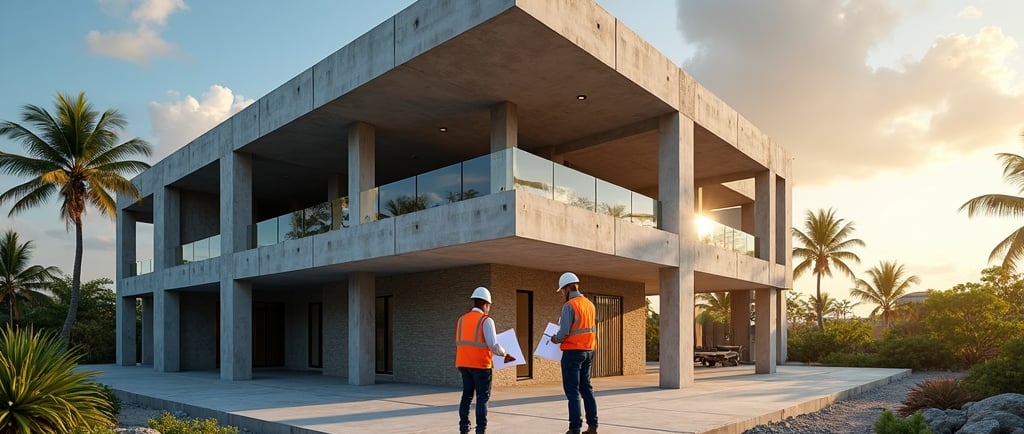
From Concept to Construction: Understanding the Architectural Design Process in the Cayman Islands
Every successful building project begins long before the first foundation is poured. For property owners, developers, and investors in the Cayman Islands, understanding the architectural design process is one of the most critical steps toward achieving a construction outcome that meets your vision, budget, and regulatory requirements. Yet many clients arrive at the construction phase underprepared, having underestimated what the design journey truly involves.
The consequences of skipping or rushing the design process are significant. Poorly planned projects face costly mid-construction changes, permit delays, structural complications, and outcomes that simply do not reflect the original intent. In a jurisdiction like the Cayman Islands — where building regulations, hurricane resilience standards, and environmental considerations add meaningful layers of complexity — a disciplined design process is not optional. It is essential.
This article walks you through the architectural design process from concept to construction, explaining each phase, why it matters in a Cayman Islands context, and how working with an experienced local construction partner can make all the difference in delivering a project that stands the test of time.
What Is the Architectural Design Process and Why Does It Matter?
The architectural design process is a structured series of phases that transforms a client's vision into a fully buildable, code-compliant, and cost-effective construction plan. It bridges the gap between an idea on paper and a physical structure that is safe, functional, and aesthetically aligned with the client's goals.
In the Cayman Islands, this process carries additional significance. Local projects must comply with the Cayman Islands Planning Department regulations, adhere to hurricane-resistant building codes, and in many cases account for coastal proximity, flood risk, and environmental sensitivity. Whether you are building a luxury residential home in Grand Cayman, a commercial facility in George Town, or a hospitality development on Cayman Brac, the design process must be treated as a strategic investment — not a formality.
Key Benefits of a Structured Architectural Design Process
Cost Control: Detailed design planning identifies potential budget pressures before construction begins, reducing the risk of expensive change orders on-site.
Regulatory Compliance: A well-executed design process ensures plans meet Cayman Islands Planning Department requirements, minimising permit delays or rejections.
Structural Integrity: Proper engineering coordination during design guarantees that the building is safe, durable, and capable of withstanding Category 5 hurricane forces relevant to the Caribbean region.
Client Clarity: Design phases give clients a tangible preview of their project through drawings, renderings, and specifications — reducing misunderstandings during construction.
Timeline Efficiency: A complete design package allows contractors to work with precision, reducing delays caused by incomplete or ambiguous instructions.
Long-Term Value: Buildings designed with attention to materials, orientation, ventilation, and energy efficiency deliver superior long-term value for owners and investors.
Best Practices and Standards in the Architectural Design Process
Begin with a thorough project brief. Document your goals, budget parameters, timeline expectations, and functional requirements before engaging any design professional. The more detailed your brief, the more accurately your design team can respond.
Engage qualified local professionals. Work with architects and engineers who are familiar with Cayman Islands building codes, planning regulations, and site-specific conditions such as soil type, coastal exposure, and utility infrastructure.
Allow sufficient time for each design phase. Rushing through schematic design or design development to reach construction faster invariably creates problems. Each phase exists for a reason and builds on the one before it.
Conduct formal client reviews at every milestone. Review and approve schematic designs, developed drawings, and construction documents before advancing. This ensures alignment and avoids late-stage revisions.
Integrate structural and MEP engineering early. Mechanical, electrical, plumbing, and structural engineering should be coordinated alongside architectural design — not added as an afterthought.
Obtain planning approval before mobilising construction resources. Never begin procurement or site preparation without confirmed planning permission from the Cayman Islands Planning Department.
Maintain a live design register. Track all design changes, approvals, and revisions in a formal document to protect all parties and maintain project integrity.
Common Mistakes and How to Avoid Them
Skipping the feasibility and concept phase: Some clients push directly to detailed design without validating whether their vision aligns with the site's constraints or their budget. Always begin with a proper feasibility review before committing to full design fees.
Underestimating local regulatory requirements: The Cayman Islands has specific planning, environmental, and coastal development regulations. Failing to engage with these early leads to rejected applications and costly redesigns. Work with a team that knows the local regulatory landscape.
Choosing design teams without construction knowledge: Design documents that look impressive but are unbuildable or fail to account for local materials availability create significant problems on-site. Ensure your design team collaborates with experienced local contractors from the outset.
Ignoring hurricane resilience in the design: Given the Cayman Islands' exposure to tropical weather events, buildings must be designed to resist high wind loads, impact-rated openings, and storm surge where applicable. This must be embedded in the design from day one, not retrofitted later.
Cutting corners on construction documentation: Poorly detailed construction drawings lead to contractor interpretation errors, quality inconsistencies, and disputes. Invest in thorough, fully coordinated construction documents.
Applications and Use Cases in the Cayman Islands
The architectural design process applies across every sector of Cayman Islands construction activity:
Luxury Residential Homes: High-net-worth homeowners and expatriate residents building custom homes in Seven Mile Beach corridors, South Sound, or West Bay require a rigorous design process to achieve both aesthetic excellence and structural compliance.
Commercial and Retail Developments: Business owners and developers constructing office buildings, retail centres, or mixed-use properties in George Town benefit from detailed design coordination to meet commercial planning standards and operational functionality.
Hospitality and Tourism Facilities: Hotels, villas, and resort developments across Grand Cayman, Cayman Brac, and Little Cayman require careful design to meet tourism sector expectations while satisfying environmental sensitivity requirements.
Renovation and Refurbishment Projects: Even renovation work benefits from a structured design process, particularly when structural modifications, additions, or changes of use are involved.
Investor and Developer Projects: Real estate investors building for sale or lease rely on design-phase value engineering to maximise return on investment while controlling construction costs.
How J&R Construction Approaches the Design-to-Build Process
At J&R Construction, we understand that a great building starts with a great process. Our team works collaboratively with architects, engineers, and clients from the earliest concept stages to ensure that design decisions are practical, compliant, and buildable within the Cayman Islands context. We bring hands-on construction expertise into the design conversation — helping to flag constructability issues, manage material specifications, and align design ambitions with realistic budget parameters before a single block is laid.
Our integrated approach to project management means that clients benefit from seamless coordination across design, permitting, procurement, and construction execution. We are experienced in navigating the Cayman Islands Planning Department process, managing local subcontractor networks, and delivering projects that meet the highest standards of quality and resilience. Whether you are planning a new residential build, a commercial development, or a significant renovation, J&R Construction provides the local expertise and professional rigour your project deserves.
Conclusion: Build on a Solid Foundation — Starting with the Right Process
The architectural design process is not simply a precursor to construction. It is the foundation upon which every successful project is built. In the Cayman Islands, where regulatory requirements, environmental conditions, and high client expectations intersect, taking a structured, professional approach from concept to construction is the difference between a project that meets your goals and one that falls short.
If you are planning a construction, renovation, or development project in the Cayman Islands, start the conversation with the right partner. Contact J&R Construction today to discuss your project requirements and learn how our team can guide you through every phase of the process — from initial concept to final handover — with the expertise, transparency, and local knowledge you need to build with confidence.
Contact
Reach out for your next project today
Call
+1-345-9260575
© 2025. All rights reserved.